
Treating the Cause of TMJ Disorder
Do You Have a TMJ Disorder?
- Chronic jaw pain
- Jaw popping, locking, or stiffness
- Headaches or migraines
- Worn-down teeth
- Neck or back pain or stiffness
- Earaches
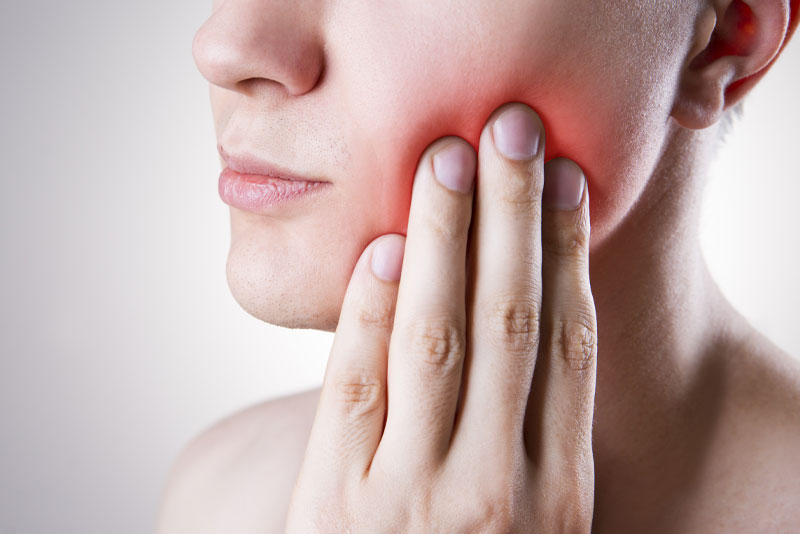
TMJ Disorder Solutions
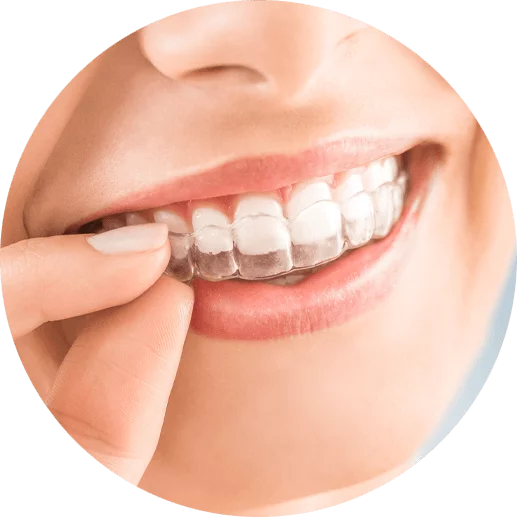
Mouthguard/Splint Therapy

BOTOX®
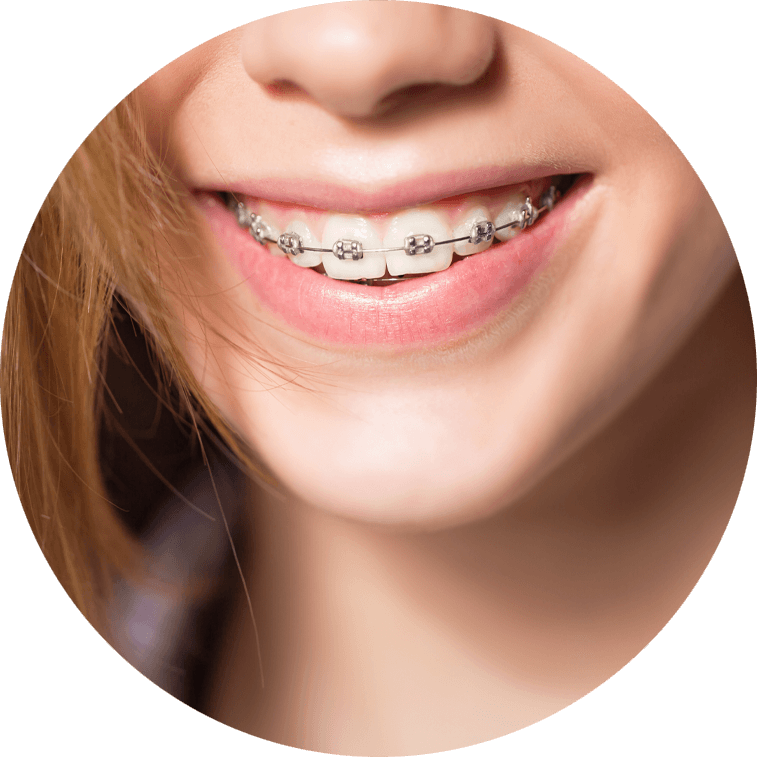
Orthodontics
If your teeth are misaligned and affecting your bite, you have malocclusion. This can cause stress on your TM joints as your teeth try to find a way to come together properly. Orthodontics can be used to straighten your teeth and as a result your bite! This helps reduce or eliminate bruxism as well as the jaw pain associated with it.
TMJ FAQ
What are the most common signs of TMJ disorder?
Jaw pain, frequent headaches, clicking or popping when you chew, and teeth grinding are among the most common symptoms. Many patients don’t connect these issues to their jaw joint until they’re evaluated.
How is TMJ disorder treated?
Treatment depends on severity and cause, and generally falls into one of three categories: a custom mouthguard or splint to reduce strain, BOTOX injections to relax overactive jaw muscles, or orthodontic correction when misalignment is the underlying issue.
Can TMJ disorder be related to sleep issues?
It can. Jaw tension and airway positioning are connected, so patients dealing with TMJ symptoms are sometimes also evaluated for sleep apnea as part of a complete picture.
Is a mouthguard enough to treat TMJ pain?
For many patients, yes. A properly fitted splint can significantly reduce jaw strain and grinding-related damage. More involved cases may benefit from BOTOX or an orthodontic approach, which is why an accurate diagnosis matters before starting treatment.
Who diagnoses and treats TMJ disorder at your office?
Dr. Kavish Gurjar and Dr. Abtahi evaluate jaw symptoms and recommend the treatment path that fits your specific case.
How do I schedule a TMJ evaluation?
Contact our office to schedule an evaluation and start addressing jaw pain or headaches at the source.