If you’re asking “can tooth implants cause health problems,” the short answer is: most of the time, no — dental implants are safe for the majority of people. This article gives clear, evidence-based information about possible risks, common complications, who is at higher risk, and practical steps to reduce problems. Read on for what to watch for and when to seek care.
How dental implants work — the basics
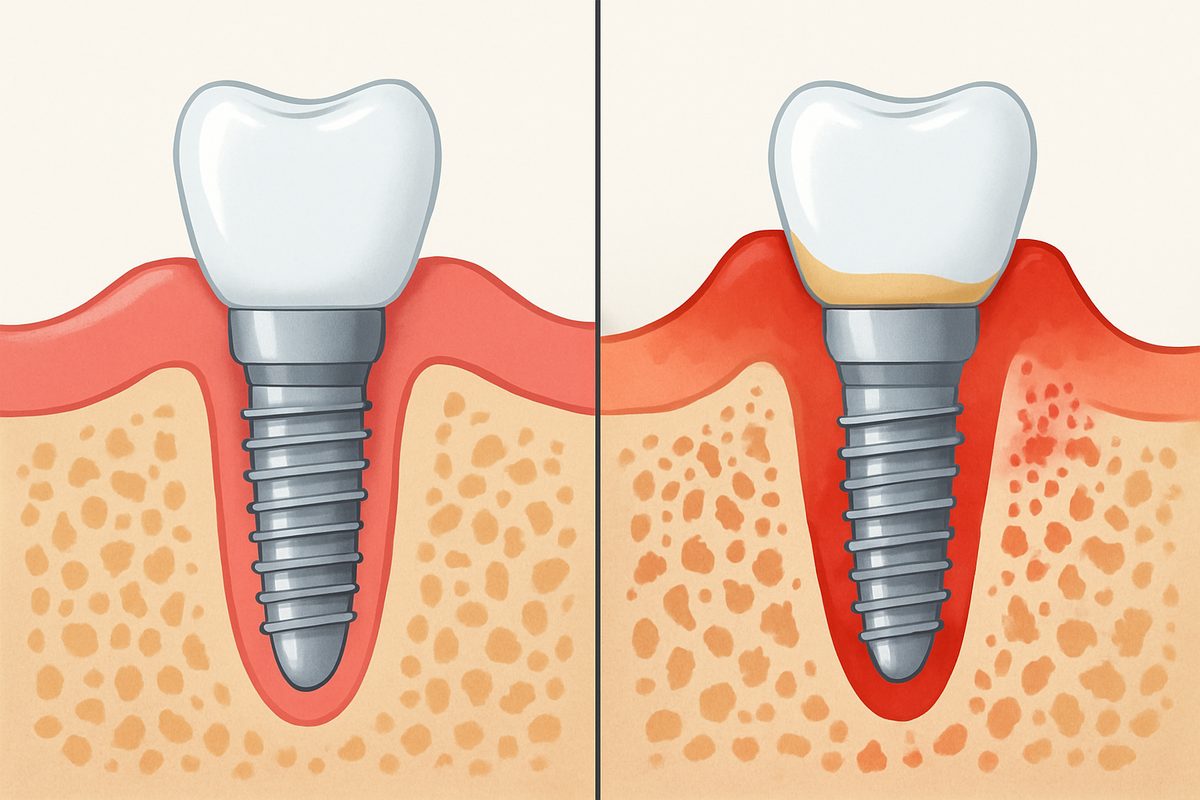
Dental implants are small posts (usually titanium or zirconia ceramic) placed into the jawbone. The bone fuses to the post in a process called osseointegration, creating a stable base for a tooth crown, dental bridge, or overdenture. Because dental implants become part of the bone, they behave like natural tooth roots and are considered a long-term, safe way to replace missing teeth.
Common short-term risks after dental implant surgery
After dental implant surgery you may see normal healing signs:
- Swelling and bruising for a few days
- Minor bleeding or oozing the first 24 hours
- Temporary numbness or tingling that usually resolves
- Mild to moderate pain controlled with medication
If swelling worsens after 48–72 hours, you have a fever, heavy bleeding, or severe uncontrolled pain, contact your dentist — those can be warning signs.
Long-term health concerns: what the research says
Peri-implantitis and infection
Peri-implantitis is a gum infection around dental implants that can cause bone loss and dental implant failure. It is often linked to poor oral hygiene or prior gum disease. Treatment ranges from cleaning and antibiotics to deeper cleaning with surgery or bone grafting if needed. Early detection makes treatment simpler and more successful.
Allergic or immune reactions
True allergy to titanium is very rare. Some patients report sensitivity to metals; ceramic (zirconia) dental implants are an alternative. If you have unexplained skin reactions or chronic inflammation, your dentist can suggest tests or a change in material.
Nerve damage and dental implant placement risks
Incorrect dental implant placement can injure nerves and cause prolonged numbness, tingling, or chronic pain. Most nerve injuries are avoidable with careful planning, 3D imaging, and experienced surgical technique. If you have new persistent numbness after surgery, get evaluated right away.
Who is at higher risk for dental implant-related health problems?
Certain health and lifestyle factors raise the chance of problems: uncontrolled diabetes, active gum disease, heavy smoking, osteoporosis or medications that weaken bone, poor oral hygiene, and some systemic illnesses. A clinician should evaluate overall health and medications before recommending dental implants.
How modern dental technology lowers risk
Modern tools make dental implants safer. Digital X-rays and 3D imaging (CBCT) map bone and nerve locations. Digital periodontal assessments track gum health. Minimally invasive equipment reduces tissue damage. Sedation systems and careful planning improve patient comfort and lower complication rates.
How to lower your risk and what symptoms to watch for
Reduce risk by controlling medical conditions, stopping smoking, treating gum disease before dental implants, following post-op instructions, and keeping regular dental visits. Watch for red flags that need urgent care:
- Fever or spreading facial swelling
- Heavy or continuous bleeding
- Persistent numbness or new severe pain
- Loose dental implant or changing bite
Choosing the right provider
Experience and proper tools matter. Dr. Kavish Gurjar completed NYU periodontal honors training and is a Fellow of the International Congress of Implantologists and a member of the American Academy of Implant Dentistry. Choosing a team with advanced imaging, minimally invasive equipment, and sedation options helps reduce complications and improve outcomes.
Dental Implant Safety Starts With the Right Evaluation
Dental implants are safe for most people, but like any medical treatment they carry risks. Most problems are preventable or treatable with good planning, hygiene, and the right provider. If you still wonder “can tooth implants cause health problems” for your specific health profile, contact us and schedule an evaluation to review your risks and next steps.